Meat and Meat Products
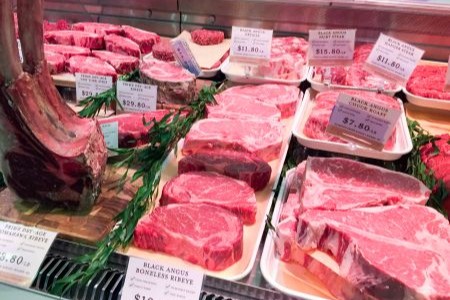
Meat and meat products that are sold for human consumption must meet federal and state requirements.
- Questions about federal requirements for selling meat or meat products?
- Contact USDA Food Safety and Inspection Service, Denver Office (District 15).
- Questions about state requirements for selling meat or meat products?
- Contact your local environmental health officer.
On This Page
About Selling Meat and Meat Products
Meat and meat products that are sold for human consumption must meet all applicable federal and state requirements. In Alaska, producers, processors, and sellers of meat and meat products will need to work with
- United States Department of Agriculture (USDA) or Food and Drug Administration (FDA) to meet federal requirements; and
- Alaska Department of Environmental Conservation (DEC) Food Safety and Sanitation program to meet state requirements.
- United States Department of Agriculture (USDA)
- USDA Food Safety and Inspection Service (FSIS) Office of Field Operations works with meat producers, processors, and sellers. Contact the Denver Office (District 15) for assistance in Alaska.
- Food and Drug Administration (FDA)
- FDA is responsible for inspecting certain species and products that are not inspected by USDA. Start by contacting Food Safety and Sanitation at Alaska DEC to determine if FDA inspection is required.
- Alaska Department of Environmental Conservation (DEC)
- Alaska DEC regulates the processing and sale of meat and meat products in Alaska. Contact Food Safety and Sanitation for more information.
Inspection for Amenable Species
Amenable species, including cattle, sheep, swine, goats, and catfish, are specifically listed in the Federal Meat Inspection Act and federal inspection is required for these species.
Amenable species are under mandatory USDA inspection for slaughter and processing. Meat and meat products from amenable species must be inspected and passed by USDA and sold according to federal requirements and any applicable state requirements.
Inspection for Non-Amenable Species
Non-amenable species, such as bison, elk, yak, rabbit, and reindeer, are not listed in the Federal Meat Inspection Act and federal inspection may or may not be required. Requirements vary depending on the species, processing situation, and selling methods.
Non-amenable species are under voluntary USDA inspection for slaughter and processing. If federal inspection is required, meat and meat products from non-amenable species may be inspected and passed by USDA or by FDA. Meat and meat products from non-amenable species must be sold according to federal requirements and any applicable state requirements.
Selling Outside of Alaska
If meat or meat products from non-amenable species are sold outside of Alaska, the meat or meat products must meet federal requirements and applicable state requirements for inspection and processing. Federal inspection is required, either FDA inspection or voluntary USDA inspection.
Contact the USDA FSIS Denver Office (District 15) for more information about federal requirements. Contact Food Safety and Sanitation for more information about state requirements.
Selling In Alaska
If slaughter, processing, and sale of meat or meat products from non-amenable species occurs in Alaska, the meat or meat products must meet state requirements for inspection and processing. Contact Food Safety and Sanitation for more information about state requirements.
Reindeer and rabbit are non-amenable species. In Alaska, processors of meat from reindeer or rabbit should note the following:
- Alaska has a state inspection exemption for reindeer meat under certain conditions. If reindeer is slaughtered, processed, and sold in Alaska under this exemption, a federal or state inspection is not required. For more information, contact Food Safety and Sanitation or review the exemption in the Alaska Food Code 18 AAC 31.820 Reindeer for Retail Sale To or At a Market.
- Alaska does not regulate domesticated rabbit meat. Domesticated rabbits can be slaughtered, processed, and sold in Alaska without federal or state inspection. More information is available at Domesticated Rabbit Meat.
Options for Selling Meat in Alaska
Option 1: Facility Operating Under USDA Inspection (general purpose option)
Description: A facility that operates under USDA inspection and meets federal requirements can sell or use the meat and meat products that are processed at the facility for human consumption. This includes inspected activities such as
- Livestock slaughter and processing; and
- Purchasing meat or meat products that were processed under USDA inspection at another facility and further processing the meat or meat products under USDA inspection at this facility.
Inspected meat and meat products from the facility can be sold wholesale. An exemption in the Alaska Food Code (18 AAC 31.020(f)(3)(b)(i)) also allows the facility's inspected meat and meat products to be sold at an on-site retail counter or sales area at the facility. A state food permit or inspection is not required for these retail sales.
Type of Operation: Meat processing facility and/or livestock slaughter establishment
Food Permit: No, a state food permit is not required
Inspections:
- Federal: Yes, federal inspection by USDA is required
- State: No, state inspection is not required
Species: Amenable and non-amenable species are allowed
Selling Methods:
- Allowed: Retail sales that are on-site at the facility are allowed
- Allowed: Wholesale is allowed
Can Meat and Meat Products Be Sold or Used Under a Food Permit? Yes, the meat and meat products that are processed and sold under this option can be sold or used under a regulated establishment's food permit. This facility is an approved source under the Alaska Food Code.
Option 2: Facility Operating Under USDA Inspection and the Alaska Homemade Food Exemption
Description: Homemade food producers that have a facility that operates under USDA inspection and meets federal requirements can sell or use the meat and meat products that are processed at the facility for human consumption under Alaska's Exemption for Homemade Food (AS 17.20.332). This includes inspected activities such as
- Livestock slaughter and processing; and
- Purchasing meat or meat products that were processed under USDA inspection at another facility and further processing the meat or meat products under USDA inspection at this facility.
Inspected meat and meat products from the facility cannot be sold wholesale under the homemade food exemption. Food sold under the homemade food exemption is for the personal use of the buyer. Direct-to-consumer retail sales by the processor of the meat or meat products are allowed. A state food permit or inspection is not required for these retail sales.
Type of Operation: Meat processing facility and/or livestock slaughter establishment
Food Permit: No, a state food permit is not required
Inspections:
- Federal: Yes, federal inspection by USDA is required
- State: No, state inspection is not required
Species: Limited to the amenable species of cattle, sheep, swine, and goats
Selling Methods:
- Allowed: Retail sales that are direct-to-consumer are allowed
- Not Allowed: Wholesale is not allowed
- Not Allowed: Sales by anyone who is not the processor of the meat or meat product are not allowed
- Not Allowed: Using the meat or meat product as an ingredient in a food that is produced and sold by anyone other than the processor of the meat or meat product is not allowed
Can Meat and Meat Products Be Sold or Used Under a Food Permit? No, the meat and meat products that are processed and sold under this option cannot be sold or used under a regulated establishment's food permit. This facility is not an approved source under the Alaska Food Code and the homemade food exemption does not allow homemade food to be sold or used under a food establishment permit.
Notes:
- Under this option, the homemade food producer must follow
- The requirements of federal law, including USDA inspection of meat and meat products; and
- The requirements of the Alaska homemade food exemption, including ingredients, display, signs, consumer statements, etc.
- This does not allow homemade food producers to purchase USDA-inspected meat or meat products, further process meat or meat products, and sell the further-processed meat or meat products without federal inspection. Any further processing of USDA-inspected meat or meat products must be done under USDA inspection or a USDA inspection exemption.
- USDA may allow products to be sold wholesale, but the homemade food exemption does not. The homemade food exemption requires that food sold under the exemption is sold for the personal use of the buyer; the buyer cannot re-sell food that is sold under the homemade food exemption or use it as an ingredient in another product that is sold.
- USDA may allow more species, but the homemade food exemption limits species to cattle, sheep, swine, and goats.
- Option 1 has the same inspection requirements and allows more species, allows wholesale, and does not have any additional state requirements for homemade food signs, consumer statements, etc.
Option 3: Retail Facility Operating Under the USDA Retail Inspection Exemption and the Alaska Food Code
Description: Retail food establishments that have a state food permit under the Alaska Food Code (18 AAC 31) can purchase USDA-inspected meat or meat products and further process the meat or meat products at their retail establishment to sell or use for human consumption.
The original meat or meat products must be from a facility operating under USDA inspection and the meat or meat products that are further processed at the retail establishment must be produced and sold according to the USDA inspection exemption for retail operations and the Alaska Food Code exemption for meat processing at retail establishments (18 AAC 31.770(b)).
Type of Operation: A retail food establishment that has a state food permit
Food Permit: Yes, the retail establishment is required to have a state food permit (food service or market)
Inspections:
- Federal: Yes, federal inspection by USDA is required for the meat or meat products the retail establishment purchases for further processing; meat or meat products that are further processed at the retail establishment are exempt and are not inspected by USDA
- State: Yes, state inspection is required
Species: Amenable and non-amenable species are allowed
Selling Methods:
- Allowed: Retail sales that are on-site at the retail establishment are allowed
- Allowed: Limited wholesale at the retail establishment is allowed and must meet USDA requirements and annual limits
Can Meat and Meat Products Be Sold or Used Under a Food Permit? Yes, the meat and meat products that are processed and sold under this option can be sold or used under a regulated establishment's food permit. This facility is an approved source under the Alaska Food Code.
Notes:
- This allows retail food establishments that have a state food permit to purchase USDA-inspected meat or meat products, further process the meat or meat products at their retail establishment, and sell or use the further-processed meat or meat products at their establishment. By following the USDA inspection exemption for retail operations, the establishment is exempt from having USDA inspect the further-processed meat or meat products that are produced at the establishment.
- The establishment must have a retail food permit (food service or market) and inspection by the state. The establishment also needs to follow
- The requirements of the federal meat inspection exemption for retail operations; and
- The requirements of the Alaska Food Code (18 AAC 31).
- The USDA meat inspection exemption for retail operations has requirements and limits for wholesaling exempt meat and meat products. Contact USDA for more information.
Option 4: Retail Facility Operating Under the USDA Retail Inspection Exemption and the Alaska Homemade Food Exemption
Description: Homemade food producers that have a USDA-approved retail facility can purchase USDA-inspected meat or meat products and further process the meat or meat products as part of their approved retail operation to sell or use for human consumption under Alaska's Exemption for Homemade Food (AS 17.20.332).
The original meat or meat products must be from a facility operating under USDA inspection and the meat or meat products that are further processed as part of the approved retail operation must be produced and sold according to the USDA inspection exemption for retail operations and must also meet state requirements for sale under the homemade food exemption, including signs, consumer information, and selling methods.
Type of Operation: A retail facility that is approved by the USDA for the retail inspection exemption
Food Permit: No, a state food permit is not required
Inspections:
- Federal: Yes, federal inspection by USDA is required for the meat or meat products the retail facility purchases for further processing; meat or meat products that are further processed at the retail facility are exempt and are not inspected by USDA
- State: No, state inspection is not required
Species: Limited to the amenable species of cattle, sheep, swine, and goats
Selling Methods:
- Allowed: Retail sales that are direct-to-consumer and on-site at the approved retail facility are allowed
- Not Allowed: Wholesale is not allowed
- Not Allowed: Sales at any location other than the approved retail operation are not allowed
- Not Allowed: Sales by anyone who is not the processor of the meat or meat product are not allowed
- Not Allowed: Using the meat or meat product as an ingredient in a food that is produced and sold by anyone other than the processor of the meat or meat product is not allowed
Can Meat and Meat Products Be Sold or Used Under a Food Permit? No, the meat and meat products that are processed and sold under this option cannot be sold or used under a regulated establishment's food permit. This facility is not an approved source under the Alaska Food Code and the homemade food exemption does not allow homemade food to be sold or used under a food establishment permit.
Notes:
- This allows homemade food producers with a USDA-approved retail facility to purchase USDA-inspected meat or meat products, further process the meat or meat products as part of their approved retail operation, and sell or use the further-processed meat or meat products at their approved retail operation. By following the USDA inspection exemption for retail operations, the producer is exempt from having USDA inspect the further-processed meat or meat products that are produced as part of the approved retail operation. The meat and meat products must meet federal requirements for the inspection exemption and state requirements for sale under the homemade food exemption, including only selling homemade food for the personal use of the buyer.
- Homemade food producers will need to check with USDA to confirm that their retail operation meets federal requirements and is an approved operation for this exemption. Contact the USDA FSIS Denver Office (District 15) for more information.
- Under this option, the homemade food producer must follow
- The requirements of the federal meat inspection exemption for retail operations; and
- The requirements of the Alaska homemade food exemption, including ingredients, display, signs, consumer statements, etc.
- USDA may allow certain products to be sold wholesale, but the homemade food exemption does not. The homemade food exemption requires that food sold under the exemption is sold for the personal use of the buyer; the buyer cannot re-sell food that is sold under the homemade food exemption or use it as an ingredient in another product that is sold.
- USDA may allow more species, but the homemade food exemption limits species to cattle, sheep, swine, and goats.
Option 5: Wholesale Food Processing Facility Operating Under the Alaska Food Code and Processing a Product that Contains Meat or a Meat Product
Description: Food processing establishments that have a state food permit under the Alaska Food Code (18 AAC 31) can use meat or meat products from an approved source as ingredients in products that are processed and sold by the establishment for human consumption. These products include things like frozen pepperoni pizzas, breakfast burritos with sausage, and canned beef soup. Approved sources of meat and meat products are described in the Alaska Food Code (18 AAC 31).
Inspected products from the processing establishment can be sold wholesale. An exemption in the Alaska Food Code (18 AAC 31.020(f)(3)(b)(i)) also allows the establishment's inspected products to be sold at an on-site retail counter or sales area at the facility. A state food permit or inspection is not required for these retail sales.
Type of Operation: Food processing establishment that has a state food permit
Food Permit: Yes, the processing establishment is required to have a state food permit for wholesale processing
Inspections:
- Federal: Varies, federal inspection by USDA or FDA may be required
- State: Yes, state inspection is required
Species: Amenable and non-amenable species are allowed
Selling Methods:
- Allowed: Retail sales that are on-site at the processing establishment are allowed
- Allowed: Wholesale is allowed
Can Meat and Meat Products Be Sold or Used Under a Food Permit? Yes, food products that are processed and sold under this option can be sold or used under a regulated establishment's food permit. This facility is an approved source under the Alaska Food Code.
Notes:
- Food processing establishments that want to process and sell a food product that contains meat or meat products will need to contact Food Safety and Sanitation for more information. There are a number of factors that are taken into consideration to determine whether federal inspection by USDA or FDA is required, including the species and type of meat being used as an ingredient, the type of product being processed, and the percentage of the final product that will be made up of meat or meat products.
- The establishment must have a food processing permit and inspection by the state. The establishment also needs to follow
- The requirements of federal law, including USDA or FDA inspection of food products that contain meat or meat products; and
- The requirements of the Alaska Food Code (18 AAC 31).
Summary of Options
| Option 1 | Option 2 | Option 3 | Option 4 | Option 5 | |
|---|---|---|---|---|---|
| Category |
|
Facility Operating Under USDA Inspection and the Alaska Homemade Food Exemption | Retail Facility Operating Under the USDA Retail Inspection Exemption and the Alaska Food Code | Retail Facility Operating Under the USDA Retail Inspection Exemption and the Alaska Homemade Food Exemption | Wholesale Food Processing Facility Operating Under the Alaska Food Code and Processing a Product that Contains Meat or a Meat Product |
| Who to Contact |
|
|
|
|
Alaska DEC Food Safety and Sanitation |
| Type of Operation | Meat processing facility and/or livestock slaughter establishment | Meat processing facility and/or livestock slaughter establishment | Retail food establishment that has a state food permit | Retail facility that is approved by USDA for the retail inspection exemption | Food processing establishment that has a state food permit |
| State Food Permit and Inspection | No | No | Yes, retail food establishment permit and state inspection | No | Yes, food processing establishment permit and state inspection |
| Federal Inspection | Yes, USDA inspection is required | Yes, USDA inspection is required |
|
|
|
| Species | Amenable and non-amenable species | Limited to the amenable species of cattle, sheep, swine, and goats | Amenable and non-amenable species | Limited to the amenable species of cattle, sheep, swine, and goats | Amenable and non-amenable species |
| Wholesale | Yes, wholesale is allowed |
|
Limited wholesale at the establishment is allowed, USDA sets requirements and annual limits |
|
Yes, wholesale is allowed |
| Retail Sales | Retail sales that are on-site at the facility | Retail sales that are direct-to-consumer | Retail sales that are on-site at the retail establishment | Retail sales that are direct-to-consumer and on-site at the approved retail facility | Retail sales that are on-site at the processing establishment |
| Approved Source for Food Establishments with Permits | Yes, meat or meat products can be sold or used under a regulated establishment's food permit | No, meat or meat products cannot be sold or used under a regulated establishment's food permit | Yes, meat or meat products can be sold or used under a regulated establishment's food permit | No, meat or meat products cannot be sold or used under a regulated establishment's food permit | Yes, meat or meat products can be sold or used under a regulated establishment's food permit |
| State Statute or Regulation |
|
|
|
|
|
References
- 18 AAC 31 Alaska Food Code
- AS 17.20.332 Exemption for Homemade Food
Resources and Contacts
Resources
- Inspection of Meat Products
- Information about USDA inspection programs and federal requirements for processing and selling meat and meat products
- FDA Regulated Meats and Meat Products for Human Consumption
- Information about federal inspection of amenable and non-amenable species
Contacts
- Food Safety and Sanitation
- Contact your local office or your local environmental health officer.
- USDA FSIS Office of Field Operations
- Denver Office (District 15)
 Indicates an external site.